 On this weekend and the weekends of March 10 and 17, the Gospel texts are taken from the Gospel according to John. The three texts are unique in that, along with the passion story, they are narratives – they have a plot and the plot develops. There is character development and there is a style unique to John in that he seeks to draw the reader into the story.
In each story, Jesus lays out a teaching in symbolic image and language – water, light, and resurrection.
The main character is slow to understand Jesus’ message – this person keeps going off track. Some have suggested that the staging of the story reminds them of the Sherlock Holmes stories. Holmes has a foil, Watson, who misses the mark, and does not see what the reader sees.
The stories are also dramas. There are multiple stages on which the action takes place, sometimes simultaneously.
John wants his reader to step by step understand and ultimately enter into the story; the reader experiences Jesus’ words and actions directed to him/her.
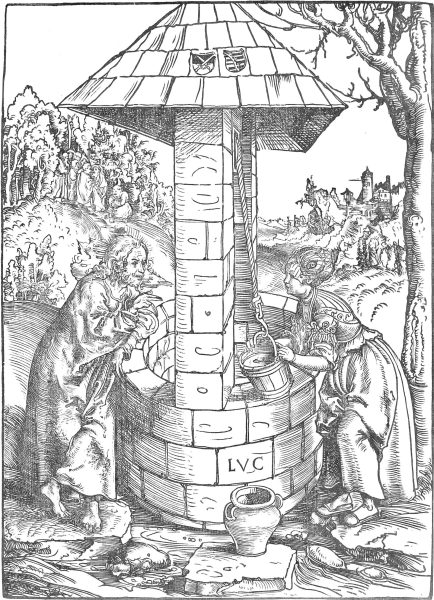
This week the foil is the Samaritan woman. She finds Jesus’ words challenging and so tries to distract him by moving the conversation into other directions. This takes place on the stage of the well. A second aspect of the story has to do with the relationship between Jesus and the disciples. The disciples do not understand what Jesus is telling them. This part of the story takes place when the woman returns to the village.
Meanwhile, in the village the woman tells all that had happened at the well and urges her neighbors to come with her, for she announces that this man might be the Messiah.
The woman and the neighbors come to the well after the disciples have exited. The neighbors are taken with Jesus and want to hear more from him. They beg him to spend time with them. Jesus agrees to spend a few days in the village. The result is that the neighbors tell the woman, “We no longer need your testimony. We have heard with our own ears and have come to believe that he is the Messiah.”
Fr. Steve Adrian

Leave a Comment