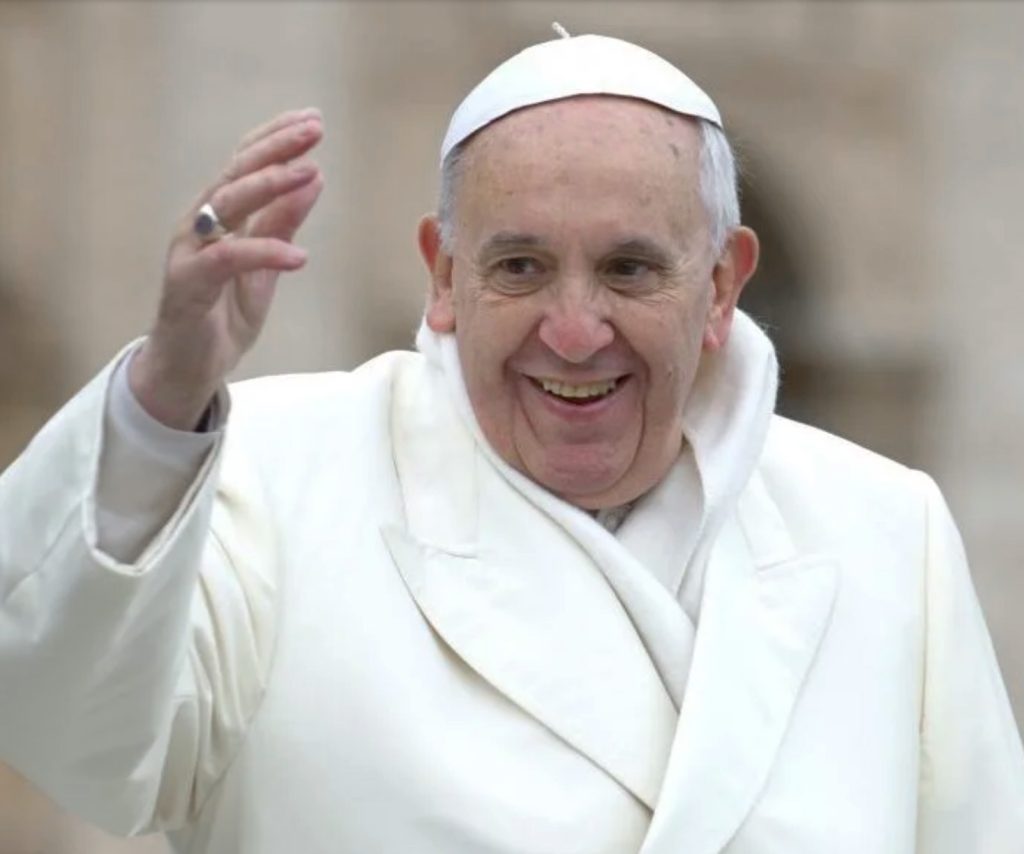
 Pope Francis has a way of seeing reality, making decisions and taking action. Francis’ theological method is made clear when he states: “Realities are more important than ideas” (LS, Nos. 110, 201). In continuity with the methodological preferences of Pope John XXIII and Pope Paul VI, Francis uses the See-Judge-Act method for reflection on, and interpretation of, reality (or the signs of the times, if you prefer), with the goal being transformative social action and justice.
The See-Judge-Act method was created by Cardinal Joseph Cardijn, even though its roots can be found in Thomas Aquinas’ description of the virtue of prudence. Cardijn’s method was later developed by the Latin American liberation theologians, with recent advancements made by North American practical theologians.
Francis says he begins by reviewing (“see”) the best research and understanding today, then considers (“judge”) principles from Judeo-Christian tradition. In light of his reflection, he will advance proposals for dialogue and action (“act”), both on an individual and global level. This three-step process represents a method that prioritizes a critical assessment of reality (step 1) to change reality (step 3) through critical reflection as a mediating step (step 2). Francis’ justification for his use of this method is made explicit when he says, “Theological and philosophical reflections on the situation of humanity and the world can sound tiresome and abstract unless they are grounded in a fresh analysis of our present situation, which is in many ways unprecedented in the history of humanity” (No. 17).
Pope Francis teaches about the process of “encounter.” He says: “For me, this word (encounter) is very important. Encounter with others. Why? Because faith is an encounter with Jesus, and we must do what Jesus does: encounter others.”
As members of the Body of Christ, we are each created in the image of and loved by God. We are called to form relationships with one another, and we are called to “create a culture of encounter,” a culture of friendship, a culture in which we find brothers and sisters, in which we can also speak with those who think differently, as well as those who hold other beliefs, who do not have the same faith. They all have something in common with us: they are images of God; they are children of God.
Encounter is key to understanding Francis and what he says and does.
Father Stephen Adrian

Leave a Comment